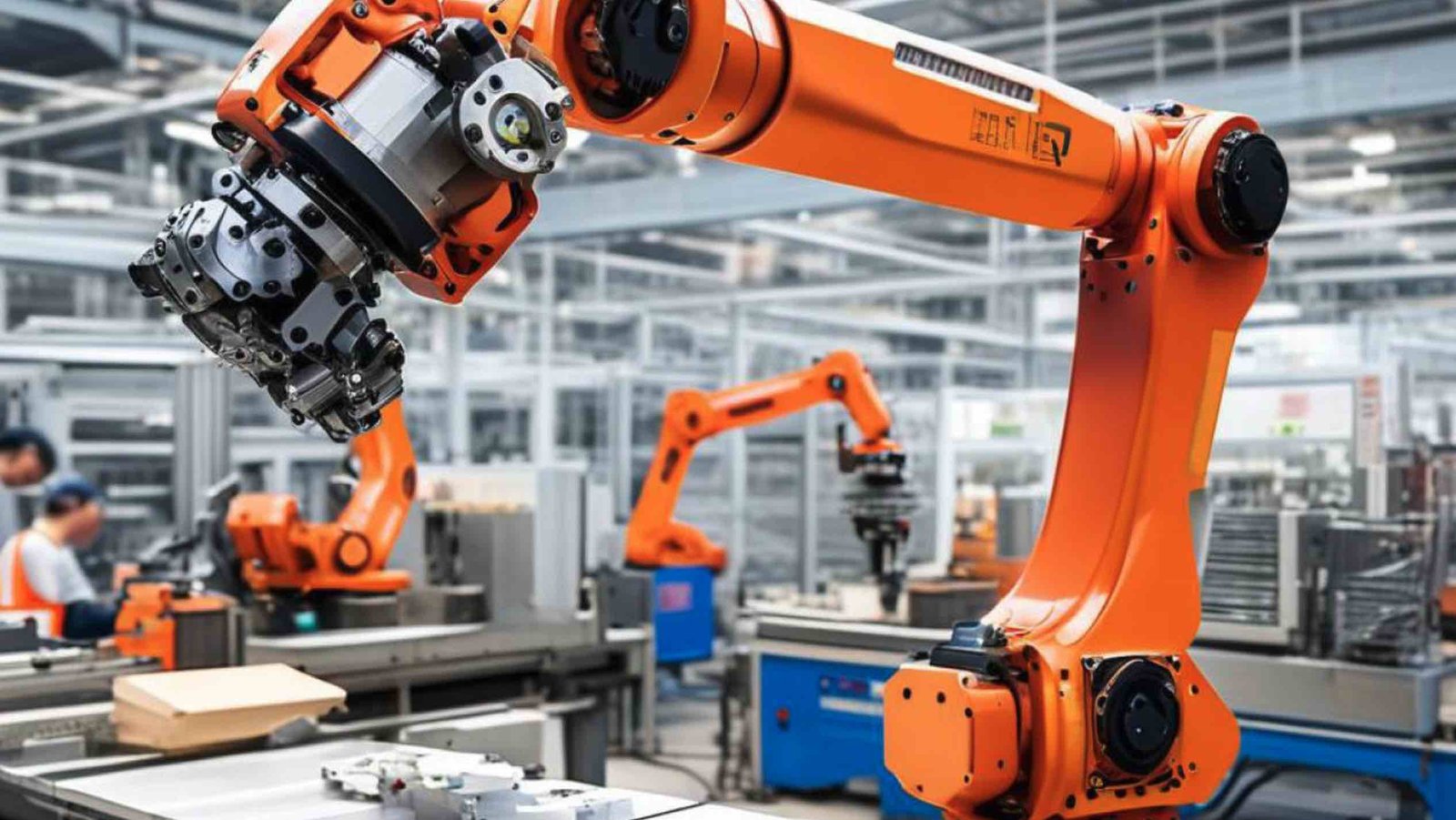
Mechanical manufacturing has been one of the most fundamental drivers of human technological progress. From the early days of manual craftsmanship to the complex, automated, and intelligent production lines of today, the industry has undergone a profound transformation that redefines productivity, precision, and industrial capabilities. Understanding this evolution provides valuable insight into how mechanical systems are designed, maintained, and improved in a modern industrial environment.
Historically, mechanical manufacturing began with simple hand tools and basic machining techniques. Craftsmen shaped components manually, relying heavily on skill, experience, and intuition. This era, while foundational, was unable to meet the increasing demand for scalability, consistency, and efficiency that emerged with industrial growth. The advent of the Industrial Revolution marked the beginning of standardized components, early lathes, milling machines, and steam-powered manufacturing equipment. These innovations significantly increased production capacity and introduced the concept of repeatability in manufacturing.
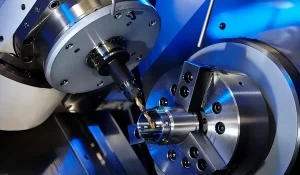
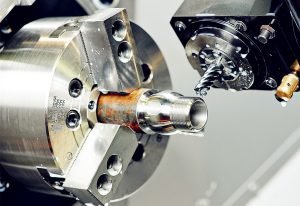
The 20th century brought even more revolutionary changes. Powered by advances in electricity, metallurgy, and engineering, manufacturers adopted automated machinery, numerical control (NC), and eventually computer numerical control (CNC) systems. CNC machines allowed for unprecedented precision, enabling highly complex geometries and minimizing human error. Factories began developing specialized workflows, leveraging automation to reduce costs and improve product quality. This era also saw the rise of mass production, supporting industries like automotive, aerospace, and heavy machinery.
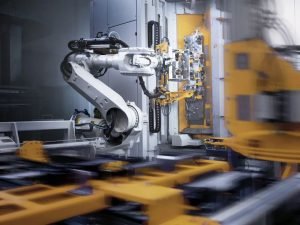
Today, mechanical manufacturing stands at the threshold of a new era: intelligent manufacturing. Technologies such as artificial intelligence, robotics, digital twins, and the Industrial Internet of Things (IIoT) are enabling factories to transition from automation to autonomy. Machines can now self-diagnose issues, optimize workflows, predict maintenance needs, and communicate seamlessly across integrated systems.
Another major shift is the integration of advanced materials and additive manufacturing (3D printing). Manufacturers are no longer limited to subtractive machining; instead, they can build components layer by layer, reducing waste and enabling structures previously impossible to fabricate. Lightweight high-strength alloys, composites, and nanomaterials further enhance product performance, particularly in aerospace and high-speed machinery.
Despite the transformations, challenges remain. Skilled labor shortages, rising global competition, cost pressures, and sustainability requirements push manufacturers to innovate continuously. Many factories must upgrade legacy equipment to meet modern standards, while also training workers to operate advanced digital tools.
Looking ahead, the future of mechanical manufacturing will likely emphasize environmentally responsible production, hyper-automation, and collaborative robotics. Smart factories capable of adapting to demand changes instantly will become the new norm. Ultimately, the evolution of mechanical manufacturing reflects humanity’s pursuit of efficiency, reliability, and technological excellence—an evolution that shows no sign of slowing down.