Slewing bearings, also known as turntable bearings or slewing rings, are essential components used in cranes, excavators, wind turbines, industrial robots, and a variety of rotating equipment. Their ability to support high axial loads, radial loads, and overturning moments makes them indispensable in heavy-duty applications. Despite their robust design, slewing bearings require systematic maintenance to ensure safety, efficiency, and long service life.
A slewing bearing’s performance is heavily influenced by lubrication. Proper lubrication minimizes friction, reduces wear, and protects against contamination and corrosion. Both grease and oil lubricants may be used, depending on the application. Regular relubrication intervals must be maintained, typically every 100 to 500 operating hours for most heavy machinery. In harsh environments such as mining or marine operations, relubrication frequency may need to double. Quality of grease is equally important; manufacturers often recommend lithium-based or EP grease with high load-carrying capacity.
Inspection is another crucial component of slewing bearing maintenance. Operators should frequently check for unusual noises, increased vibration, or abnormal temperature increases—common indicators of internal wear or improper lubrication. A torque wrench can be used to verify bolt tension, ensuring that bolts remain evenly fastened to avoid uneven stress distribution. Structural cracks, rust, and grease leakage should also be monitored, as early detection can prevent catastrophic failures.
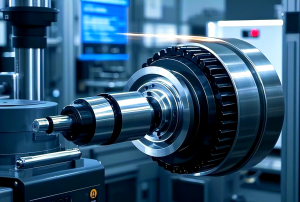
One commonly overlooked maintenance step is gear inspection. Slewing bearings that incorporate external or internal gears require proper lubrication and alignment with the pinion. Wear patterns on gear teeth may indicate misalignment or insufficient lubrication. Excessive backlash should be addressed immediately, as it can accelerate tooth damage and compromise operational safety.
Seal integrity is equally important. Seals prevent contaminants like dust, water, and debris from entering the bearing raceways. Over time, seals may become brittle or torn, reducing their effectiveness. Regular seal replacement is essential in outdoor equipment such as cranes and offshore machinery, where environmental exposure is significant.
A proactive maintenance program should include periodic load analysis. Overloading is one of the leading causes of premature bearing failure. Operators must ensure that equipment is used within the manufacturer’s specified load limits. Modern monitoring systems can track real-time loads and alert operators to overload conditions.
Finally, documentation and tracking are essential. Maintenance logs help technicians identify trends, predict service needs, and schedule downtime efficiently. Predictive maintenance technologies such as vibration analysis, ultrasonic testing, and thermal imaging are increasingly being used to extend slewing bearing life while minimizing unexpected failures.
By implementing a comprehensive maintenance strategy—combining lubrication, inspection, alignment, sealing, and load management—companies can significantly extend the lifespan of slewing bearings, reduce downtime, and ensure safe operation of heavy machinery.