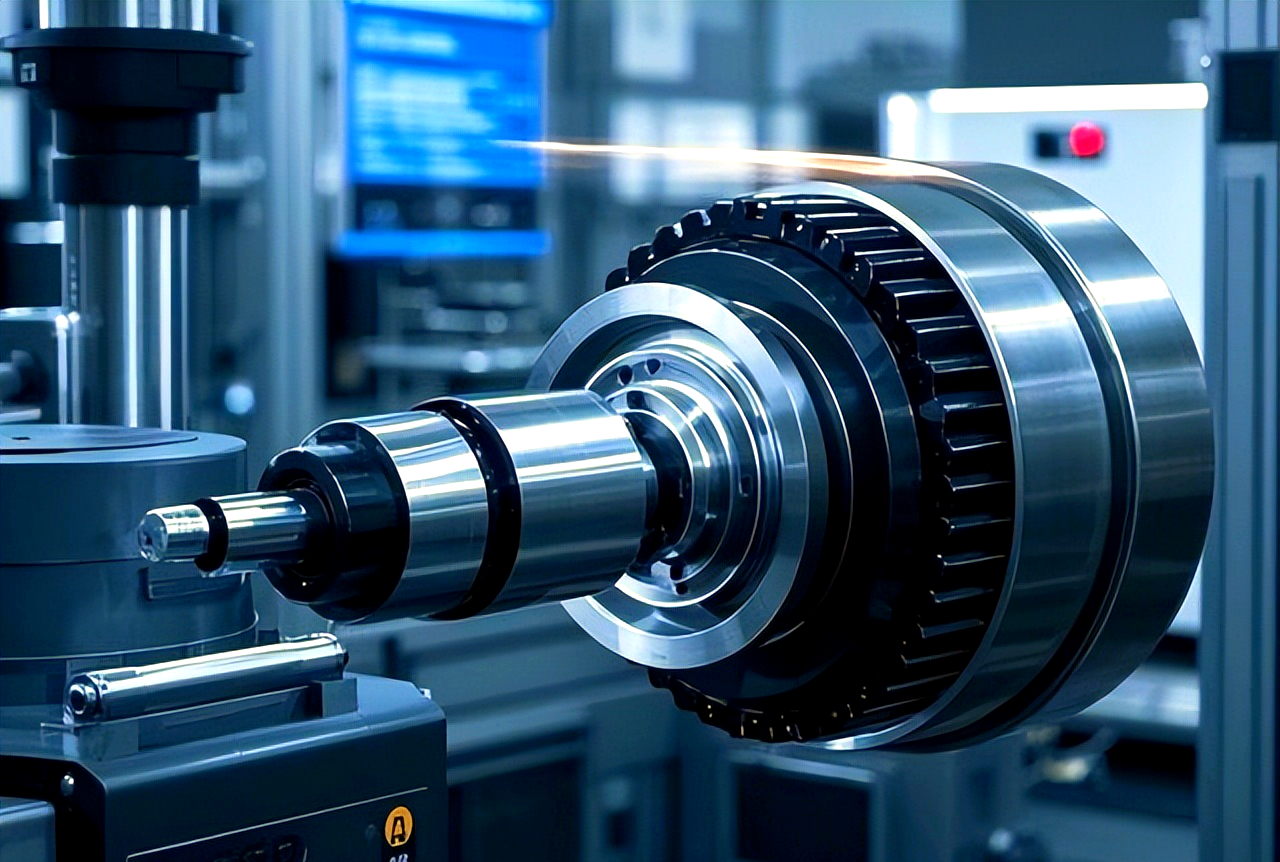
Mechanical manufacturing is the backbone of industrial development worldwide. It provides the essential machinery, tools, and components that enable production across industries such as construction, transportation, energy, agriculture, and more. Without advanced mechanical systems, modern industry would not be able to achieve its current scale, speed, and sophistication.
The manufacturing sector plays a vital economic role by creating jobs, stimulating technological innovation, and supporting infrastructure development. For developing countries, mechanical manufacturing serves as a catalyst for industrialization, helping nations transition from labor-intensive economies to technology-driven ones.
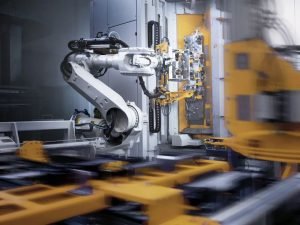
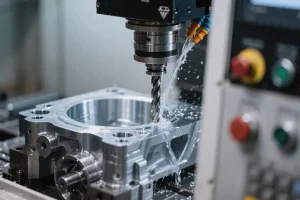
One major contribution of mechanical manufacturing is its ability to enable mass production. Machinery such as CNC mills, automated assembly lines, injection molding machines, and robotic welding systems allow companies to produce goods at high volumes and consistent quality. This capability fuels industries ranging from consumer electronics to automotive manufacturing.
Mechanical manufacturing also enhances industrial competitiveness. Factories equipped with advanced machinery can reduce production costs, shorten lead times, and increase flexibility. This is especially important in global markets where demand fluctuates rapidly and customization is increasingly important.
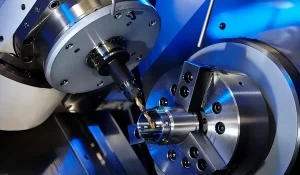
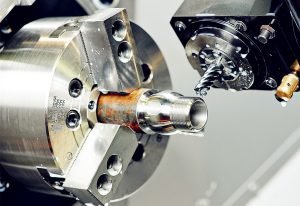
Technological innovation within mechanical manufacturing has a multiplier effect on other industries. For example, precision machinery enables the production of medical devices with micron-level tolerances. High-performance machining centers allow the aerospace sector to build lighter and stronger aircraft components. Robotics accelerates logistics and warehousing.
In the energy sector, mechanical manufacturing plays an integral role in producing wind turbine bearings, hydraulic systems, drilling equipment, and turbines for power generation. As renewable energy grows, the demand for advanced mechanical components will rise significantly.
Global industrial development is also linked to sustainability, and manufacturers are finding ways to reduce waste, lower emissions, and improve energy efficiency. Advanced machining techniques, intelligent production planning, and eco-friendly materials help industries reduce their environmental impact.
Despite its benefits, mechanical manufacturing faces challenges such as labor shortages, supply chain disruptions, rising raw material costs, and increasing regulatory requirements. However, these challenges are driving further innovation, leading to more flexible production models and digitalized factories.
In conclusion, mechanical manufacturing is not only essential to industrial development but also a key driver of economic growth, globalization, and technological progress. Its influence will continue expanding as industries pursue automation, sustainability, and digital transformation.